
Share:
Breast Augmentation: What to Expect Before Surgery and During Recovery
Preparing for breast augmentation? Dr. Alfred Lee explains what to expect before surgery, week-by-week recovery, when to return to work, and final results.

Preparing for breast augmentation? Dr. Alfred Lee explains what to expect before surgery, week-by-week recovery, when to return to work, and final results.
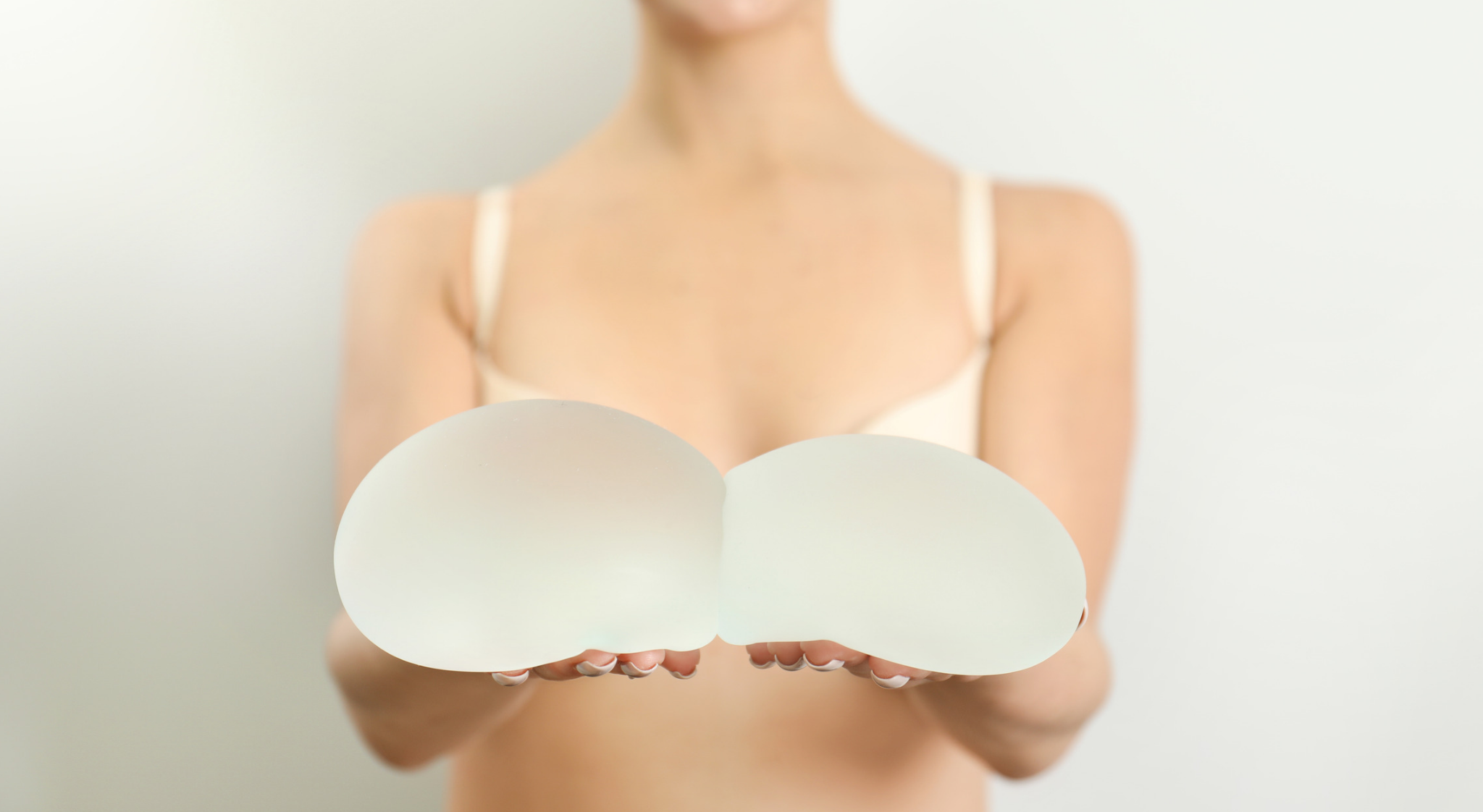
Breast augmentation is one of the most common cosmetic operations in the United States. More than 306,000 women had one in 2024 [1]. If you’re considering it, you probably have the same questions I hear in consultation every week: how do I prepare, what does recovery actually feel like, and when do I get my life back?
Good recoveries start well before surgery day. Patients who prepare ahead report less pain, use less pain medication, and get back to daily life faster [2]. Here’s what we’ll ask you to do prior to surgery:
In the final few days, we’ll have you use an antiseptic wash and ointment to lower your risk of infection.
This is an outpatient procedure, so you’ll be home the same day.
Wear loose clothes and a top that zips or buttons in front, because you won’t want to pull anything over your head. Skip lotion and makeup. Nothing to eat or drink after midnight.
When you wake up, you’ll be in supportive dressings, and your only job for the rest of the day is to rest, sip fluids, eat lightly, and let your person take care of you.
The first few days are when you’ll feel most sore, swollen, and tight. One side often feels different from the other. By about day three, you’ll probably be off any strong prescription pain medication and onto over-the-counter pain medications only.
Two things matter this week. Take your medication on schedule, and get up for a short walk every couple of hours while you’re awake. Walking moves your circulation and helps you heal.
The part nobody warns you about is the tightness. Patients expect pain and are usually surprised by how manageable it is. What they don’t expect is the feeling of tightness – like you’re wearing a bra that’s too small. It peaks around day two and eases as the muscle relaxes.
You’ll also notice your breasts sitting high on your chest. It can take anywhere from 2 to 6 months for your implants to settle into their final position.
You’ll be back to most ordinary things around the house within a few days [2, 3]. If you have a desk job, plan on returning in one to two weeks. If your job involves physical work, plan on returning in 4-6 weeks.
Swelling continues to improve during this stretch, and light activity is good for you. Strenuous exercise, heavy lifting, and sports usually resume between three and six weeks, once we’ve seen you and confirmed you’re healing well.
A few practical things:
Around week 3, some patients call our office convinced that something has gone wrong. Most often, one side has dropped into position, and the other hasn’t. Implants often settle on different schedules, but nevertheless, this can be alarming.
Your breasts soften, settle, and take their final shape.
Numbness or tingling around the nipple, which happens as stretched nerves recover, usually improves within about three months [4]. Scars fade from pink to a thin pale line over the following year. We’ll clear you to return to full activity.
Most women are glad they did it. A review of more than 18,000 patients found meaningful, lasting improvements in how women felt about their breasts, in their psychosocial well-being, and in their quality of life after surgery [5].
The patients who are happiest a year later are the ones who came in with a clear, specific idea of what they wanted and got a straight answer from me about whether their anatomy would allow it. Risks Worth Knowing About
Every operation carries risk.
Capsular contracture, a firming of scar tissue around the implant, affects a small minority of patients over time [6]. Bleeding, infection, and changes in nipple sensation are all possible. Implants also require eventual removal or replacement due to age, rupture, or changes in your personal preferences over time.
None of this is a reason not to proceed. It’s a reason to be followed closely. Routine check-ins let us catch things early, and if something ever feels off between visits, one call to the office is all it takes.
One to two weeks for a desk job. Three to six weeks for physically demanding work.
Usually, around four to six weeks, once we’ve cleared you.
Short walks start the day of surgery. Strenuous exercise resumes at three to six weeks with clearance.
Because that’s how healing works. They settle into position over weeks to months.
Yes. Temporary changes in sensation are common and usually improve within three months.
Very. The two sides rarely settle at the same rate, and the difference usually resolves. Call us if it’s worrying you.
Everybody heals a little differently, and everything above is a guide rather than a custom plan built for you.
If you’re thinking about breast augmentation, the next step is a consultation, where we can talk through what you want, what your anatomy will support, and exactly what your recovery would look like.